ARDO’s education programming ensures equitable, safe, inclusive, and quality education for children
and youth — particularly those affected by crisis, displacement, and marginalization — while
strengthening education systems to withstand shocks and contribute to long-term resilience.
ARDO delivers education programming through a rights-based, child-centred, and conflict-sensitive
approach, aligned with the INEE Minimum Standards for Education in Emergencies, national education
policies, and global child protection frameworks. Interventions are designed to provide life-saving
learning continuity during emergencies while supporting system recovery, inclusion, and sustainability in
protracted crisis contexts.
Programming integrates protection, gender equality, climate resilience, and accountability to affected
populations (AAP) to ensure safe and effective learning environments.
Key Programme Areas
1. Education in Emergencies (EiE) and Alternative Basic Education (ABE)
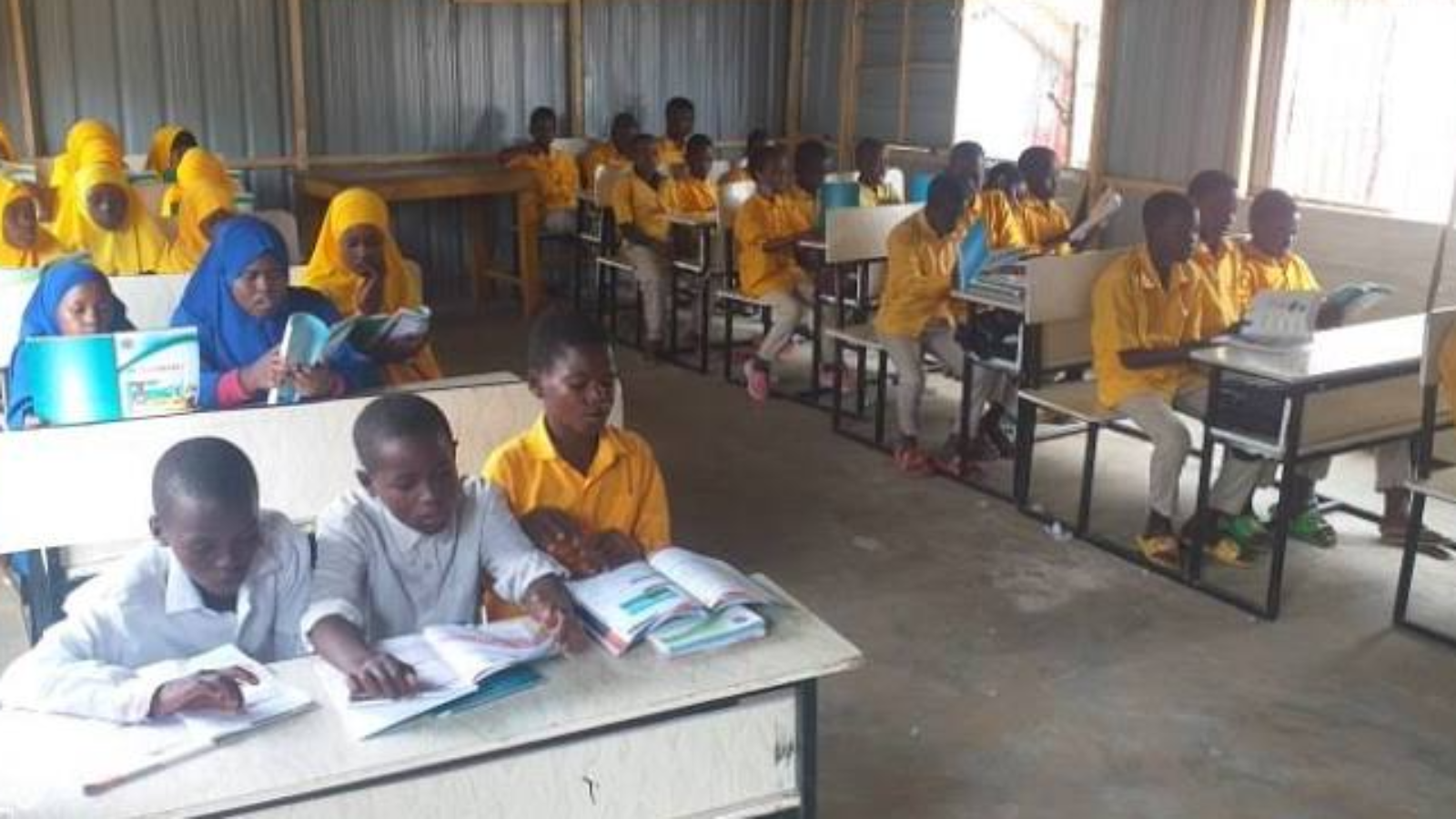
- Rapid-response education interventions in drought, displacement, and emergency settings
- Temporary learning spaces and accelerated learning programmes
- Alternative Basic Education (ABE) for out-of-school children and youth
- Integration of psychosocial support (PSS) and life-skills education.
2. Inclusive and Equitable Education
- Targeted support for girls, children with disabilities, displaced children, and other marginalized
groups
Gender-responsive and disability-inclusive education practices. - Community-based strategies to reduce dropout, child labour, and early marriage.
3. Safe, Protective, and Climate-Resilient Learning Environments
- Construction and rehabilitation of safe, child-friendly, and climate-resilient school infrastructure
- Integration of WASH in Schools to promote health, dignity, and attendance — especially for girls
- School-level disaster risk reduction (DRR) and safety planning.
4. Education System Strengthening
- Capacity strengthening for school leadership and education authorities
- Support to Ministries of Education in planning, coordination, and quality assurance.
5. Community Engagement and School Governance
- Establishment and strengthening of School Management Committees (SMCs) and parent-teacher
associations - Community participation in school planning, monitoring, and safeguarding
- Awareness-raising on the value of education and child protection
Add a Comment