demo-attachment-194-girl-3717166_1920@2x

advocacy

Advocacy is, at its core, a pursuit of transformation — a call to action to uplift the rights of the most vulnerable communities to access quality education, build sustainable livelihoods, and live in peace. Our advocacy is driven by a commitment to advance sustainable development and equality by influencing policy, shifting societal attitudes, and reforming laws.

Unfair structures and barriers persist at every level, from local communities to national legislatures and regional and international institutions. We believe that local communities must be empowered to shape their own future, and in partnership with like-minded allies, we work to influence decision-makers at every level. Our advocacy strategy focuses on:

  • Strengthening the foundation of local civil society to become a formidable force for social transformation and a strong voice for the marginalized
  • Engaging with the political sphere to guide and inform decision-making, ensuring it reflects the collective will and addresses the pressing needs of communities at the grassroots level
  • Elevating local narratives to global platforms, ensuring that community perspectives and solutions are heard in international decision-making forums

Through these efforts, we aim not only to advocate for change but to enact it — working toward a world where equality, sustainability, and peace are realities for all.
Wash

WASH (Water, Sanitation, and Hygiene)

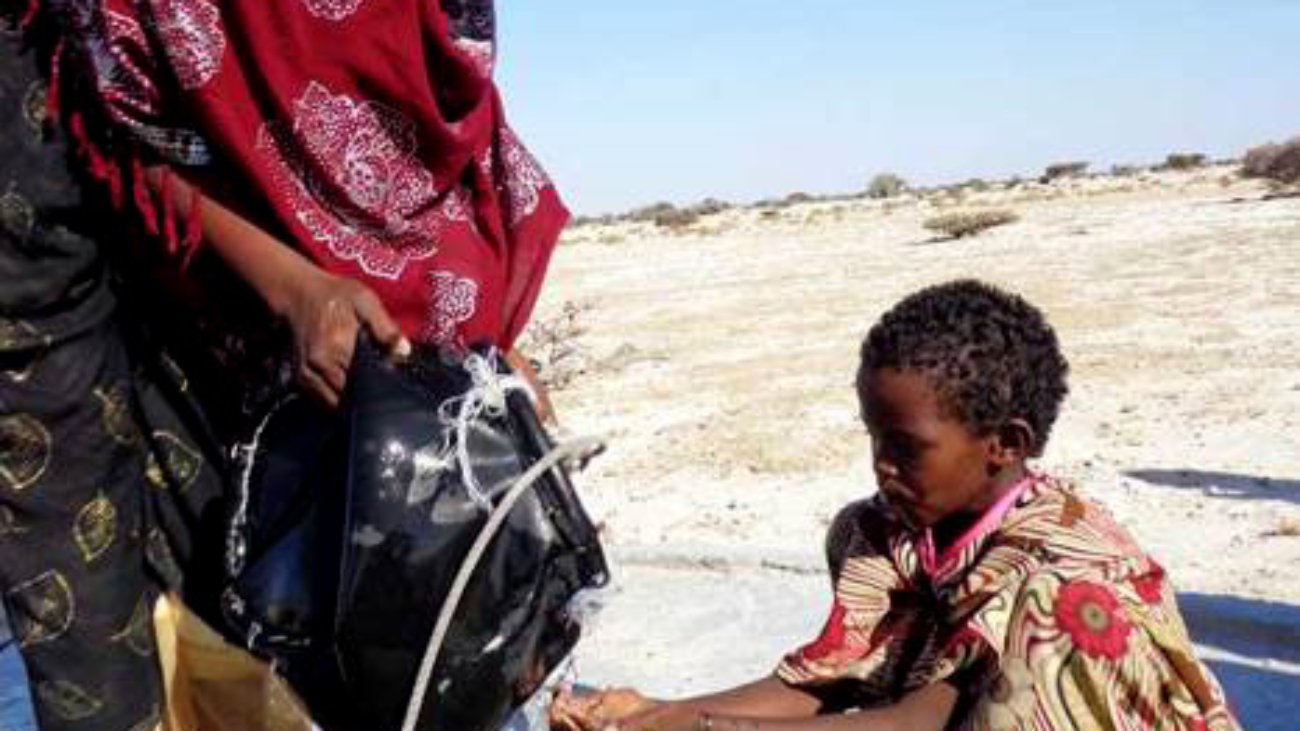
ARDO’s Water, Sanitation, and Hygiene (WASH) programming is a cornerstone of public health, dignified living, and community well-being. We deliver direct interventions that draw on cross-sectoral expertise and are strengthened through collaborative partnerships. Our strategies are tailored to swiftly and effectively meet the specific WASH needs of the communities we serve.

Water and sanitation infrastructure are fundamental to human rights and community stability. The absence of functional, safe, and private sanitation facilities disproportionately affects school attendance, particularly among girls. ARDO supports the right to education by ensuring that WASH facilities are available, safe, and accessible for every student and educator. Our WASH teams work closely with school staff to integrate hygiene education into daily learning.

Our WASH programming is structured around five core themes:

  • Ensuring the provision of uncontaminated water for drinking, cooking, personal hygiene, and general household use
  • Constructing and maintaining gender-responsive and secure latrines and toilets that affirm safety and dignity for all genders
  • Monitoring disease prevalence, with heightened scrutiny of water purity and hygiene practices during health emergencies
  • Managing solid waste and optimizing site drainage to reduce standing water and waste accumulation that attract disease vectors such as mosquitoes and rodents
  • Promoting hygiene alongside community mobilization to build healthy habits and health-seeking behaviours, and to engage displaced populations in WASH initiatives

These integrated areas are not isolated efforts, but a coordinated response that holistically addresses the public health and sanitation needs vital to the sustainability and resilience of the communities we serve.

images (8)

economic Empowerment

Economic empowerment is a cornerstone of thriving societies. Every individual has the right to secure a livelihood, improve the well-being of their family, and participate as an equal member in the economic and social life of their community. ARDO is committed to building pathways to improved livelihoods, ensuring that dignity and opportunity are universal rather than privileges reserved for a few.

Our work focuses on poverty reduction through inclusive and sustainable economic growth, targeting the empowerment of women, youth, and other marginalized groups. We create livelihood opportunities through entrepreneurial skills development, Technical and Vocational Education and Training (TVET), and the establishment of savings groups and business cooperatives for women, across both rural and urban areas of Somaliland.

Recognizing the vital role of Small and Medium-sized Enterprises (SMEs) in growing economies — particularly in least developed countries — ARDO works to strengthen the private sector across Somaliland. SMEs are a key source of job creation and household income; our interventions are designed to nurture the private sector and catalyse investment in sustainable SMEs that contribute to long-term economic growth.

images (7)

Climate Change

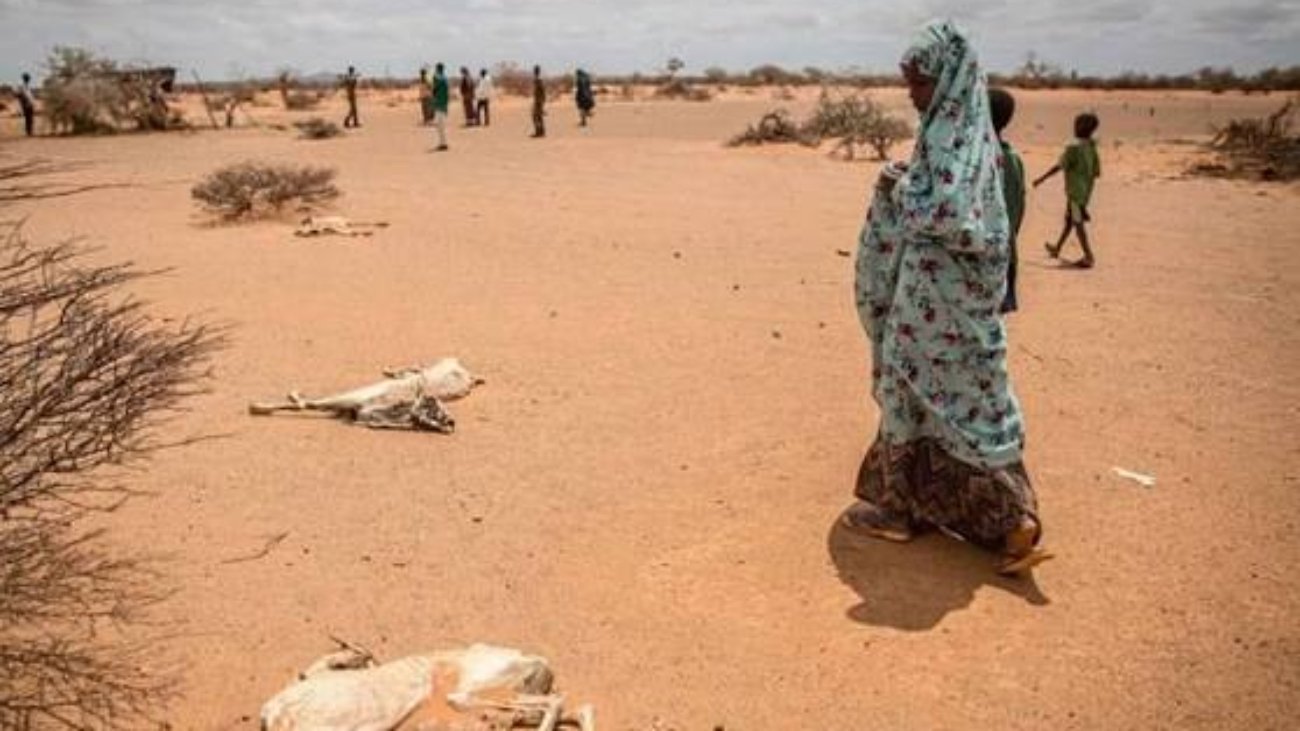
Climate change is deepening hunger and vulnerability worldwide. It disrupts economies, fuels conflict, reduces productivity, and weakens social cohesion. ARDO stands with communities on the front lines of the climate crisis — those bracing for its impacts and those innovating to overcome it — working together toward sustainable resilience.

Our work addresses the root drivers of climate vulnerability: water scarcity, natural resource depletion, and limited access to clean energy. We promote adaptive strategies that help people in the most fragile ecosystems respond to emerging threats, building climate-resilient communities and transforming local economies over time.

We prioritize initiatives with tangible impact at the grassroots level, seeking scalable solutions that can be replicated to advance environmental sustainability more broadly. Examples of interventions include:

  • Implementation of community-based renewable energy projects to reduce dependence on unsustainable resources
  • Introduction of water conservation techniques and rainwater harvesting systems to combat water scarcity
  • Establishment of agroforestry programmes that integrate tree planting into agricultural practices, enhancing carbon sequestration and soil health
  • Development of climate-smart agricultural training to equip local farmers with techniques to sustain productivity amid changing weather patterns
  • Creation of green job opportunities through waste recycling and sustainable material processing initiatives

images (6)

Gender-Based Violence

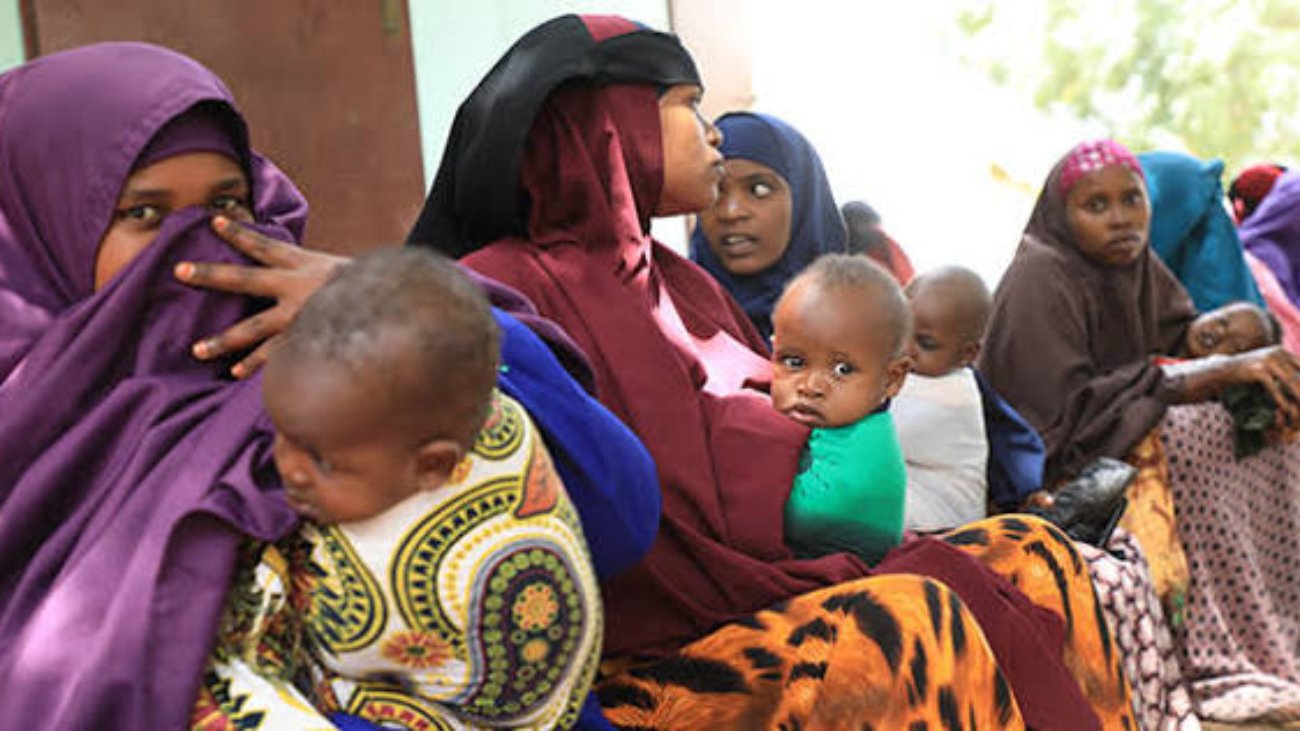
ARDO recognizes that Gender-Based Violence (GBV) is a critical and growing concern in Somaliland, affecting the health, dignity, and rights of women, girls, and marginalized groups. Deep-rooted cultural practices, poverty, displacement, and limited access to justice contribute to high rates of sexual violence, domestic abuse, child marriage, and Female Genital Mutilation (FGM). ARDO is committed to addressing GBV as both a human rights violation and a barrier to social and economic development, integrating GBV prevention and response into its humanitarian and development programmes across Somaliland.

ARDO’s GBV programming focuses on building safer communities through locally driven solutions. The organization engages religious leaders, elders, youth, and women’s groups to challenge harmful practices and advocate for gender equality. At the same time, ARDO works to improve services for survivors of GBV by strengthening referral pathways and providing essential medical care, psychosocial support, legal aid, and safe spaces. Collaborating with government institutions, local civil society, and international partners, ARDO seeks to create sustainable systems that protect vulnerable individuals and promote resilience.

ARDO emphasizes evidence-based programming to address the unique challenges in Somaliland’s context, including gaps in legal protection, social stigma, and underreporting of GBV cases. Through research and advocacy, ARDO pushes for policy reforms, increased funding, and community-led initiatives to prevent violence and support survivors. The organization envisions a Somaliland where all people live free from violence and can fully participate in society with dignity and equal rights.

Key Activities in Somaliland

  • Conduct community awareness campaigns to challenge harmful cultural norms and practices, including FGM and child marriage
  • Engage religious leaders, elders, and men in promoting GBV prevention and women’s rights
  • Train healthcare providers, police, and community leaders in survivor-centred GBV response
  • Establish and support safe spaces and shelters for GBV survivors in key regions
  • Provide medical care, psychosocial counselling, legal support, and livelihood assistance to GBV survivors
  • Advocate for stronger implementation of GBV-related laws and policies in Somaliland
  • Carry out research and data collection on GBV prevalence, drivers, and service gaps
  • Develop culturally appropriate information, education, and communication (IEC) materials on GBV
  • Collaborate with government agencies, local NGOs, and international partners for coordinated GBV prevention and response
  • Integrate GBV risk mitigation into ARDO’s broader health, education, and livelihoods programmes

educationf

Education

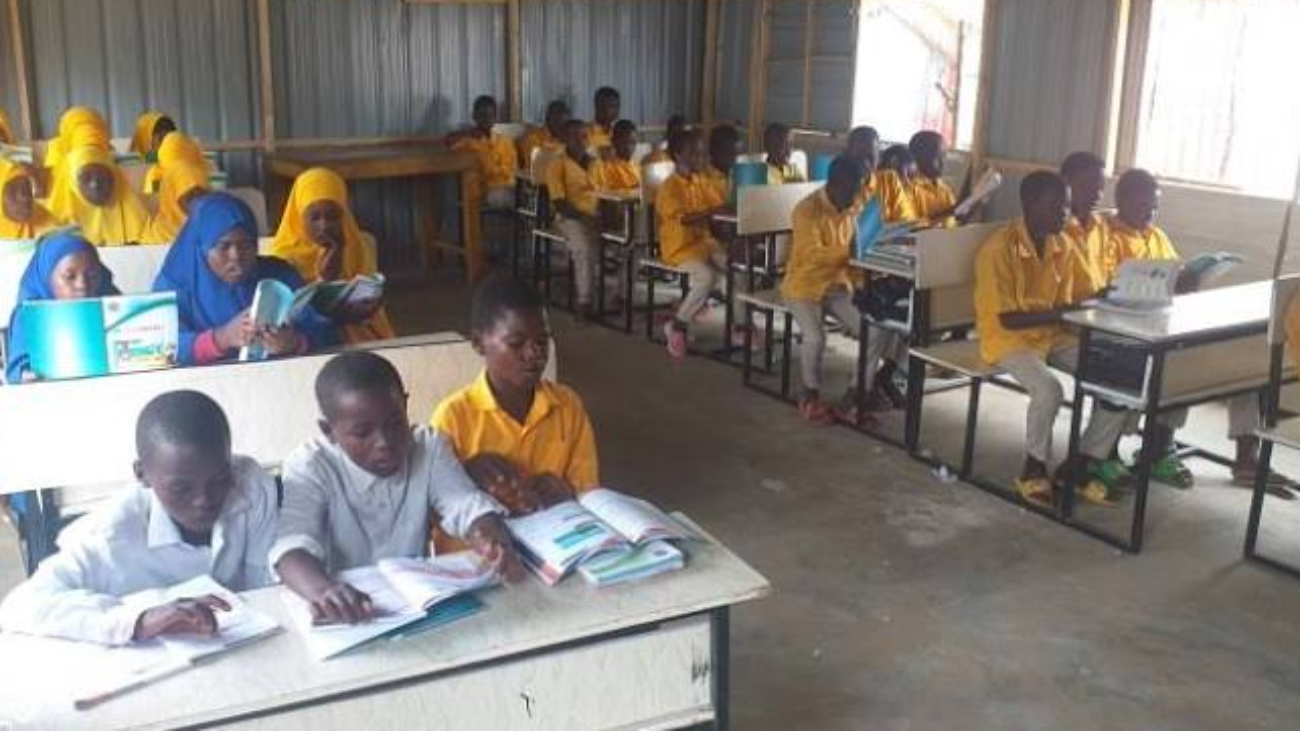
ARDO’s education programming ensures equitable, safe, inclusive, and quality education for children
and youth — particularly those affected by crisis, displacement, and marginalization — while
strengthening education systems to withstand shocks and contribute to long-term resilience.
ARDO delivers education programming through a rights-based, child-centred, and conflict-sensitive
approach, aligned with the INEE Minimum Standards for Education in Emergencies, national education
policies, and global child protection frameworks. Interventions are designed to provide life-saving
learning continuity during emergencies while supporting system recovery, inclusion, and sustainability in
protracted crisis contexts.
Programming integrates protection, gender equality, climate resilience, and accountability to affected
populations (AAP) to ensure safe and effective learning environments.

Key Programme Areas

1. Education in Emergencies (EiE) and Alternative Basic Education (ABE)

  • Rapid-response education interventions in drought, displacement, and emergency settings
  • Temporary learning spaces and accelerated learning programmes
  • Alternative Basic Education (ABE) for out-of-school children and youth
  • Integration of psychosocial support (PSS) and life-skills education.

2. Inclusive and Equitable Education

  • Targeted support for girls, children with disabilities, displaced children, and other marginalized
    groups
    Gender-responsive and disability-inclusive education practices.
  • Community-based strategies to reduce dropout, child labour, and early marriage.

3. Safe, Protective, and Climate-Resilient Learning Environments

  • Construction and rehabilitation of safe, child-friendly, and climate-resilient school infrastructure
  • Integration of WASH in Schools to promote health, dignity, and attendance — especially for girls
  • School-level disaster risk reduction (DRR) and safety planning.

4. Education System Strengthening

  • Capacity strengthening for school leadership and education authorities
  • Support to Ministries of Education in planning, coordination, and quality assurance.

5. Community Engagement and School Governance

  • Establishment and strengthening of School Management Committees (SMCs) and parent-teacher
    associations
  • Community participation in school planning, monitoring, and safeguarding
  • Awareness-raising on the value of education and child protection